Why Texture Matters More Than You Think
When people choose a puzzle, they often focus on color, theme, or difficulty. But one of the most powerful elements in puzzle artwork is texture — the subtle visual patterns that help puzzlers navigate complex images. Texture gives an image depth, realism, and personality. It also affects how quickly a puzzler can identify where a piece belongs. Whether you prefer landscapes, fantasy scenes, or abstract illustrations, the textures embedded within the artwork play a major role in how enjoyable the puzzle feels.
What Is Texture in Puzzle Artwork?
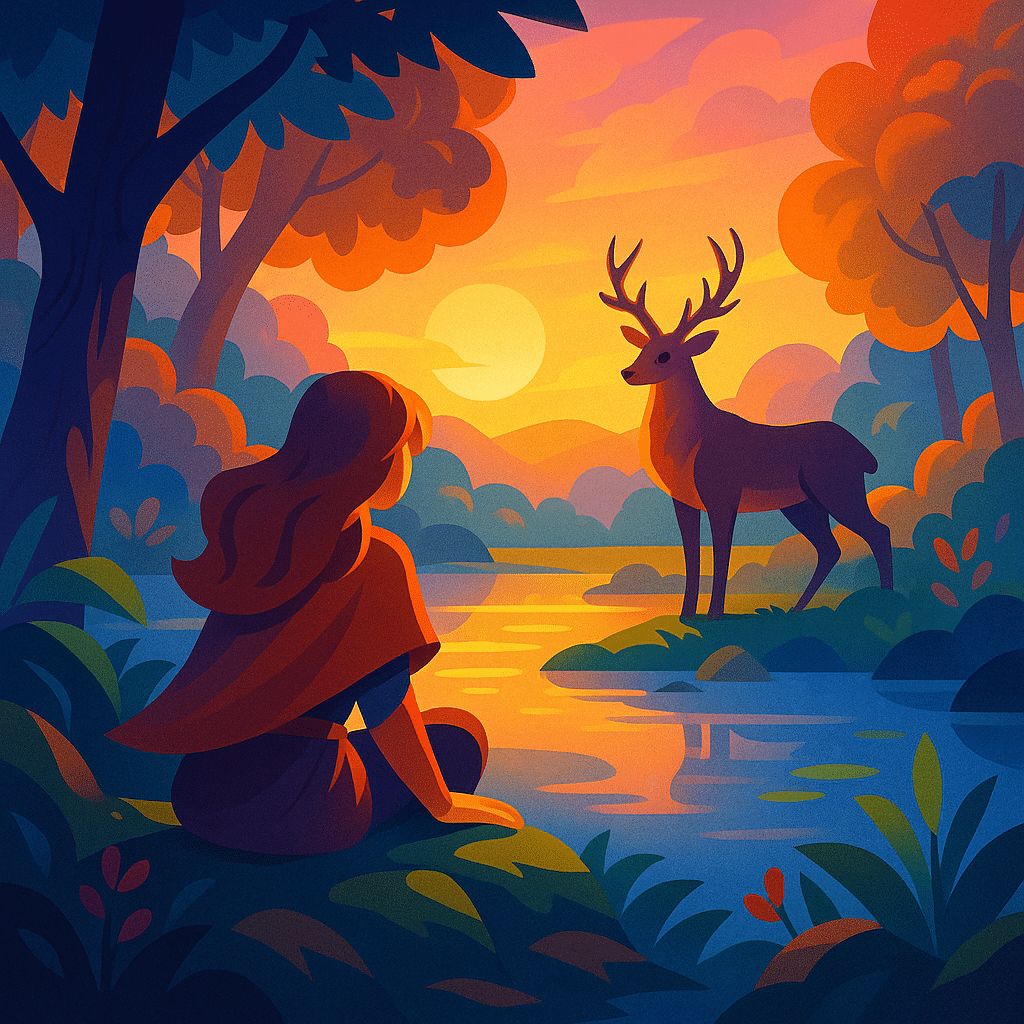
Texture refers to the visual cues that mimic real-world surfaces: smooth water, rough stone, fluffy clouds, soft fur, or detailed foliage. Even in digital or stylized puzzles, artists use shading, contrast, and repetition to create the illusion of texture. These patterns serve as natural anchors for puzzlers, helping them sort and assemble pieces more easily.
“Textures are like the fingerprints of an image — unique patterns that guide your eyes and hands while solving.”
How Texture Helps Puzzlers Solve More Effectively
High-quality puzzle artwork leverages texture to give players subtle hints. These cues don’t make the puzzle too easy; instead, they create rhythm and direction in the solving process.
1. Faster Sorting
Puzzlers often begin by sorting pieces based on dominant textures. For example, sky pieces tend to be smooth and gradient-based, while vegetation shows dense patterns. Strong textures make this early stage more intuitive.
2. Clear Visual Boundaries
Textures help define where one object ends and another begins. Wood grain, stone cracks, and fabric folds all create recognizable separations within an image.
3. Improved Piece Recognition
Even when two pieces share similar colors, texture can differentiate them. Subtle variations allow the puzzler to compare shading, repetition, or contrast to make confident decisions.
Example: Water vs. Sky
Both may be blue, but water often contains ripples or reflections, while sky tends to be smooth or cloud-patterned. Texture transforms what would otherwise be confusing sections into identifiable zones.
Types of Textures Commonly Used in Puzzle Artwork
Artists intentionally design textures to support both visual beauty and gameplay flow. Here are some popular texture categories:
- Natural textures: leaves, wood grain, rocks, clouds, fur
- Artificial textures: fabric, brick, tiles, brushstrokes
- Fantasy textures: magical glows, abstract energy patterns, stylized gradients
- Minimalist textures: soft shading, subtle geometric patterns
Texture’s Impact on Puzzle Difficulty
Texture is central to shaping how challenging or accessible a puzzle becomes. Strong textures make puzzles easier to segment. Smooth or repetitive textures increase difficulty.
| Texture Type | Effect on Difficulty | Best For |
|---|---|---|
| Highly detailed textures | Lower difficulty, easier piece grouping | Beginners and casual puzzlers |
| Moderate texture variation | Balanced difficulty | Family puzzles, mixed-skill groups |
| Minimal texture | Higher difficulty, requires patience | Experienced puzzlers |
| Repeating patterns | Very high difficulty | Advanced and competitive puzzlers |
How Puzzle Designers Use Texture Intentionally
Artists carefully balance texture to create a puzzle that feels fresh, solvable, and visually rewarding. Instead of overwhelming the viewer, great artwork guides them.
Highlight Key Areas
Designers use distinct textures around focal points to make central features easier to identify and assemble.
Balance Busy and Calm Sections
A puzzle that is textured everywhere becomes overwhelming. A great design alternates intense patterns with smoother spaces to create natural pacing.
Control Repetition
Repeating textures can be beautiful but must be used sparingly. Too much repetition — such as endless leaves or stone bricks — significantly increases difficulty.
Choosing Puzzles With Great Texture
If you want a more enjoyable solving experience, pay attention to how textures appear throughout the artwork. Strongly textured images often lead to faster and more satisfying progress.
- Look for artwork with clear texture variation.
- Prefer images where objects have distinct surfaces.
- Avoid puzzles with overly smooth or repetitive sections unless you enjoy high difficulty.
- Check whether the artist uses natural shading to create visual depth.
Final Thoughts
Texture is one of the most influential elements of high-quality puzzle artwork. It enhances clarity, improves sorting, and shapes the overall solving experience. Whether the art is hand-painted, digitally illustrated, or photo-based, texture brings the image to life — transforming a simple puzzle into a rich visual journey. Understanding how texture works helps you choose better puzzles, appreciate great design, and enjoy every piece you put into place.
Leave a Reply