The Hidden Power of Symmetry in Puzzle Design
Symmetry and balance are not just artistic choices — they are essential tools that shape how enjoyable and solvable a puzzle becomes. While vibrant colors or exciting themes attract attention, the structural harmony of an image often determines how satisfying the puzzle feels. When a puzzle image is well-balanced, the solving process becomes intuitive, engaging, and pleasantly challenging. When it lacks balance, even a beautiful image can quickly turn confusing or frustrating.
What Is Symmetry?
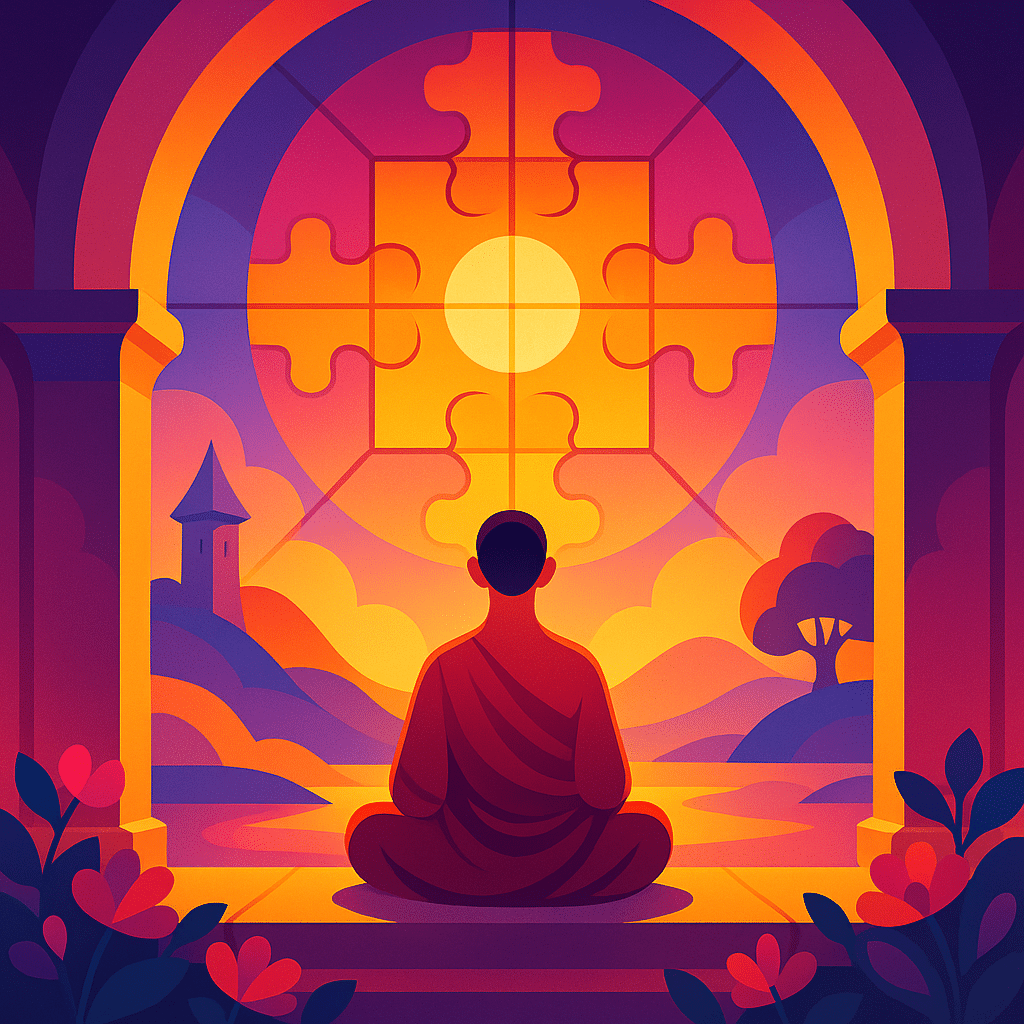
Symmetry in puzzle images refers to visual elements arranged in a way that mirrors or complements each other. This can be perfect mirror symmetry, radial symmetry, or simply a sense of proportional distribution across the image. Symmetry provides natural anchors for the player and helps with orientation, making the puzzle flow more smoothly.
What Is Visual Balance?
Balance is the distribution of visual weight — the colors, shapes, contrast, and objects within an image. A well-balanced puzzle image ensures that no area feels overwhelmingly detailed or overly empty. This harmony makes solving more predictable and enjoyable, especially for large or high-piece-count puzzles.
“In puzzle design, balance is the difference between a beautiful challenge and a chaotic struggle.”
How Symmetry Helps Puzzle Solvers
Symmetry acts as a natural guide for the puzzler, helping organize pieces and reducing cognitive load. Even small hints of symmetry can create memorable solving moments.
1. Clear Orientation
When an image contains symmetrical or evenly spaced elements, the player can immediately understand which section a piece belongs to. This reduces guesswork and builds confidence early in the solving process.
2. Predictable Visual Patterns
Symmetry creates repeating or mirrored shapes. These patterns make it easier to identify edge pieces, central motifs, and distinctive clusters within the puzzle.
3. Greater Satisfaction
Humans naturally find symmetry pleasing. Completing symmetrical portions of a puzzle feels rewarding, providing small waves of accomplishment throughout the assembly.
Why Balance Is Equally Important
While symmetry offers structure, balance ensures the entire puzzle feels harmonious. A well-balanced image avoids overwhelming the player with too much detail in one area or too much emptiness in another.
Balanced Color Distribution
Even placement of colors helps the puzzler separate areas more easily. If all the dark tones sit on one side and all the bright tones on the opposite, the solving process becomes uneven and frustrating.
Balanced Visual Weight
Objects, characters, shadows, and highlights carry “visual weight.” When spread evenly, they create natural sections that guide the puzzler from one part to another.
Example: Landscape Puzzles
In a landscape scene, placing mountains, trees, water, and sky in balanced proportions prevents the puzzle from feeling lopsided. This balance creates distinct zones without overwhelming any single part.
Comparison Table: Symmetry vs. Balance in Puzzle Images
| Aspect | Symmetry | Balance |
|---|---|---|
| Definition | Mirroring or repetition of shapes | Even distribution of visual elements |
| Main Benefit | Helps with orientation and structure | Makes the solving experience smooth |
| Impact on Difficulty | Reduces randomness, improves clarity | Prevents frustration and bottlenecks |
| Best Use Cases | Patterns, mandalas, architecture | Landscapes, portraits, abstract art |
How Puzzle Designers Use Symmetry and Balance
Both elements are intentional choices in puzzle design. Designers shape the entire solving journey by adjusting composition, color flow, and visual rhythm.
Create a Clear Focal Point
A strong central element — such as a character, building, or symbol — gives the puzzler a reliable reference point. Symmetry often enhances this focal point by naturally drawing the eye to it.
Distribute Details Thoughtfully
Too much detail in one area can overwhelm the player. Designers evenly distribute intricate patterns or textures to maintain visual balance.
Use Symmetry as a Difficulty Tool
Perfect symmetry can sometimes make puzzles too easy, so designers may break symmetry deliberately to introduce variation and maintain interest.
Tips for Choosing Puzzle Images as a Player
If you want a puzzle that feels satisfying from start to finish, look for images that use symmetry and balance effectively. Here are some practical tips:
- Choose puzzles with a strong central composition.
- Look for images where colors are evenly spread out.
- Avoid images with extremely busy or extremely empty corners.
- Check for repeated shapes or motifs — these make solving easier.
- Pick puzzles that feel harmonious at a glance; this usually reflects good balance.
Final Thoughts
Symmetry and balance are fundamental to puzzle enjoyment. They shape the flow of the solving experience, reduce frustration, and turn an image into an inviting visual journey. Whether you’re creating puzzles, collecting them, or simply exploring new designs, understanding these principles will help you appreciate why some puzzles feel instantly “right” — and why others don’t.
Leave a Reply