Why Geometric Designs Are Perfect for Puzzles
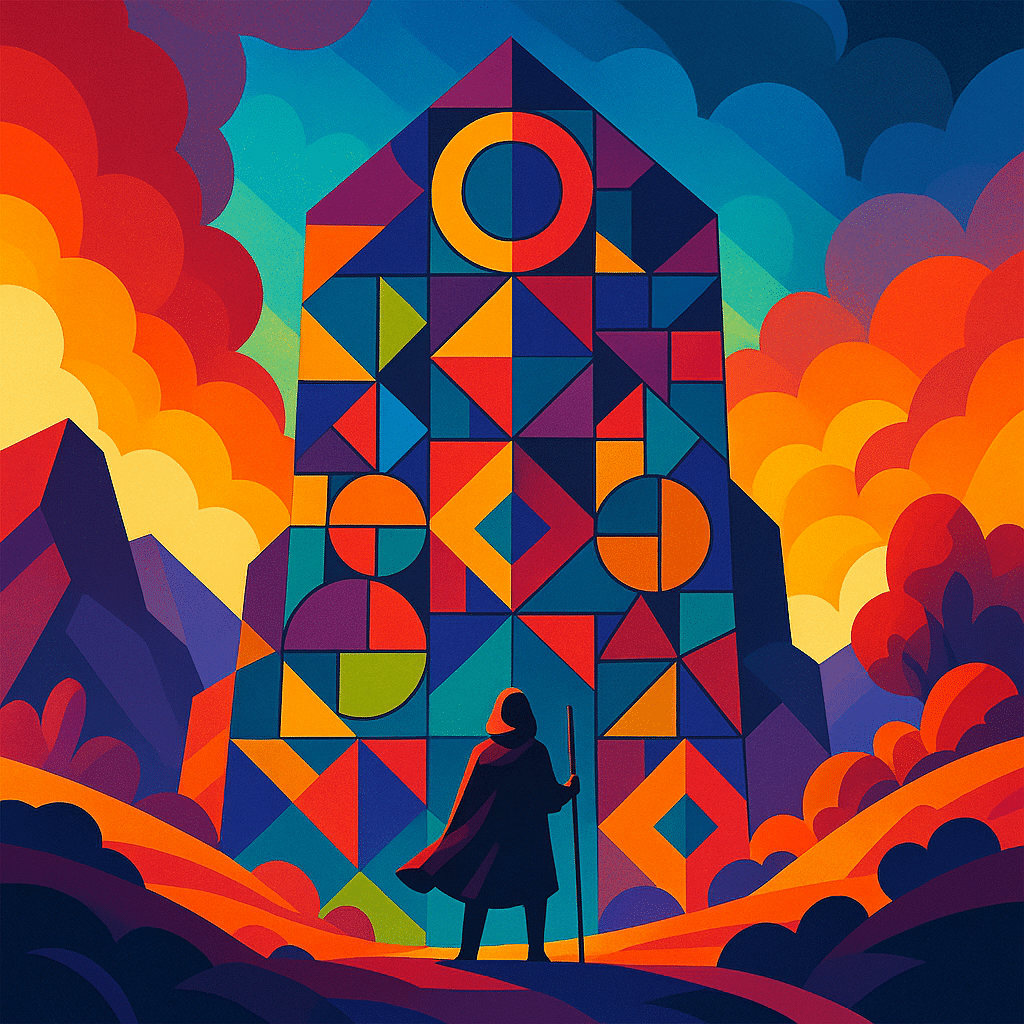
Geometric shapes and patterns have become some of the most popular choices in modern puzzle design. Their clean lines, repeating motifs, and bold compositions create puzzles that feel both contemporary and deeply satisfying. Unlike traditional scenic puzzles, geometric artwork emphasizes structure and pattern recognition, allowing solvers to rely on logic as well as intuition. This blend of clarity and challenge makes geometric puzzles ideal for beginners, enthusiasts, and seasoned experts alike.
From triangles and hexagons to spirals, grids, and fractals, geometric patterns offer endless variety. Designers use them not only for visual impact but also to influence puzzle difficulty in clever and intentional ways.
The Core Elements of Geometric Puzzle Design
Geometric artwork often appears simple at first glance, but its construction is surprisingly intricate. Several artistic elements define how these puzzles look and feel.
1. Repetition and Rhythm
Repetition is the backbone of geometric art. When shapes repeat—whether in size, orientation, or pattern—they create natural zones that guide the solver. However, too much repetition can dramatically increase difficulty, especially when color variation is minimal.
2. Symmetry and Balance
Symmetry adds structure and predictability. Many geometric puzzles use radial, bilateral, or grid symmetry to create recognizable flow across the image. Balanced compositions help solvers understand where pieces belong based on shape alignment.
3. Color Blocking
Bold color palettes enhance clarity. Designers often choose high-contrast hues to separate pattern sections, preventing the puzzle from becoming unnecessarily overwhelming. Color gradients, when used carefully, add beauty and complexity without creating confusion.
Types of Geometric Patterns Used in Puzzles
Not all geometric puzzles are alike. Here are the most common styles, each offering a different solving experience.
Tessellations
Tessellations use repeated shapes—such as hexagons, triangles, or abstract tiles—to cover the entire artwork without gaps. These puzzles are visually striking and highly structured, making them enjoyable for pattern-focused solvers.
Fractals
Fractal-based puzzles feature self-repeating patterns that grow more detailed as you look closer. While beautiful, fractal puzzles can be challenging because similar details appear across the entire image.
Minimalist Geometrics
Clean lines, simple shapes, and carefully spaced forms define minimalist geometric puzzles. These designs often create calming, meditative solving experiences.
दृष्टिभ्रम
Geometric illusions use contrasting shapes, warped lines, and intentional distortions to create a mind-bending challenge. These puzzles require strong attention to detail and careful inspection of subtle differences.
How Geometric Elements Affect Puzzle Difficulty
Geometric puzzles can be incredibly easy or unexpectedly difficult depending on how the artwork is constructed. Here’s a quick breakdown:
| Design Feature | Effect on Difficulty |
|---|---|
| High repetition | Much harder — pieces appear nearly identical |
| Strong color contrast | Easier — sections sort quickly |
| समरूपता | Moderate — provides navigational cues |
| ढ़ाल | Mixed — beautiful but can confuse piece orientation |
Designer Techniques for Creating Stunning Geometric Puzzles
Modern puzzle designers use a range of techniques to make geometric puzzles visually appealing and enjoyable to solve.
Layering Shapes for Depth
Overlapping lines and multi-layered structures add dimension and variety. This approach keeps the puzzle interesting while still maintaining clarity.
Using Mathematical Ratios
Ratios like the golden spiral or Fibonacci sequence give the artwork natural harmony. These ratios also create intuitive solving paths that feel satisfying.
Playing With Scale
Designers vary the size of shapes to create anchor points. Large shapes become easy-start zones, while smaller details increase complexity.
Blending Traditional and Digital Styles
Some of the most beautiful geometric puzzles mix hand-drawn lines with digital gradients. This hybrid approach gives the puzzle both warmth and precision.
Tips for Choosing the Right Geometric Puzzle
Whether you’re new to geometric puzzles or ready for advanced designs, choosing the right style can make a big difference.
- Pick bold color palettes if you want a smoother solving experience.
- Choose minimal repetition for enjoyable but not overwhelming puzzles.
- Try optical illusion puzzles if you love high difficulty.
- Look for radial symmetry if you prefer solving from the center outward.
“Geometric puzzles combine logic, art, and rhythm — turning simple shapes into a deeply satisfying challenge.”
अंतिम विचार
Geometric shapes and patterns have transformed modern puzzle design by offering clean, bold, and intellectually engaging artwork. Whether you’re captivated by tessellations, fascinated by fractals, or inspired by minimalist compositions, geometric puzzles offer a refreshing alternative to traditional scenes. Their structure, symmetry, and vibrant patterns make them perfect for solvers who love both visual beauty and strategic thinking.
प्रातिक्रिया दे